
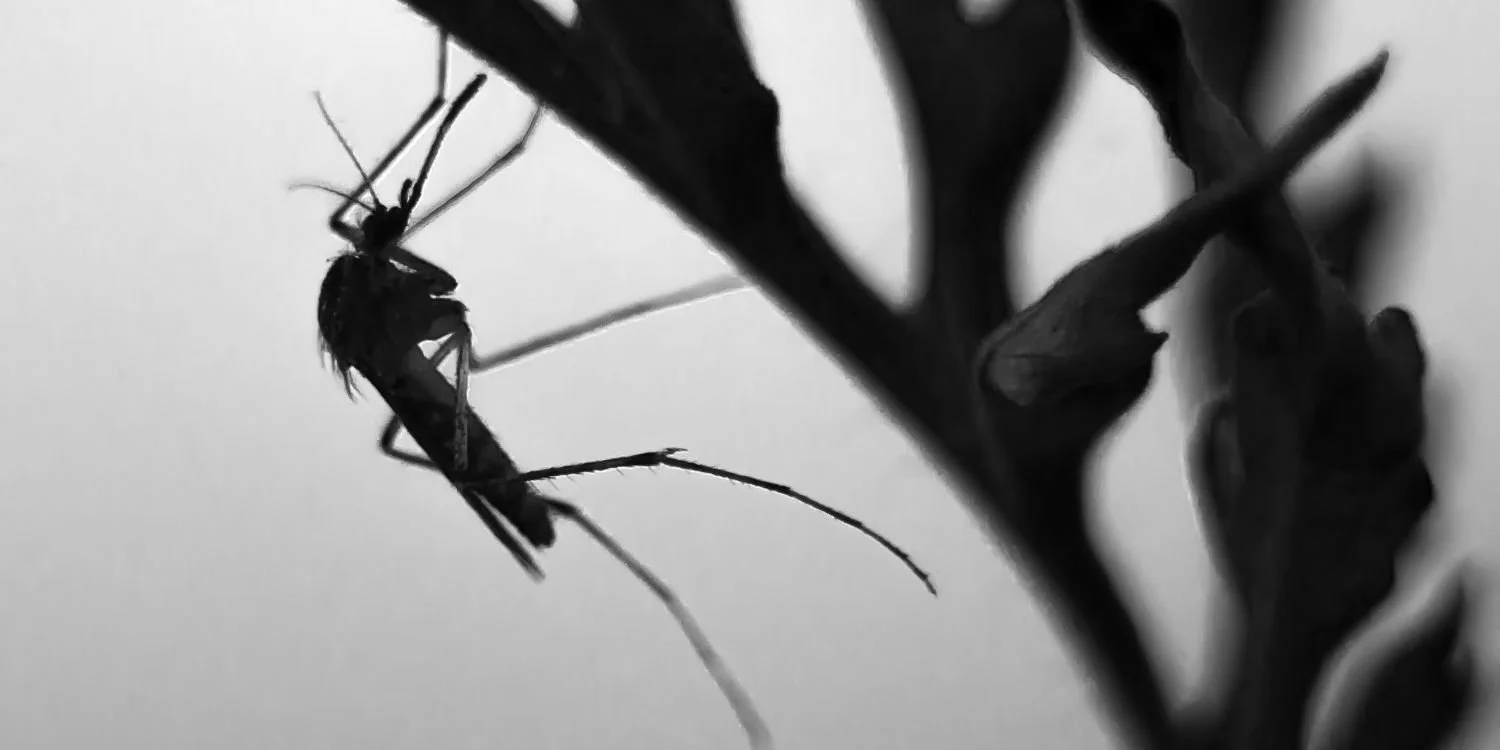
Mosquitoes are more than just an irritating summer pest. For horses, these tiny insects can cause significant discomfort, skin irritation, allergic reactions and, in some parts of the world, transmit potentially life-threatening diseases.
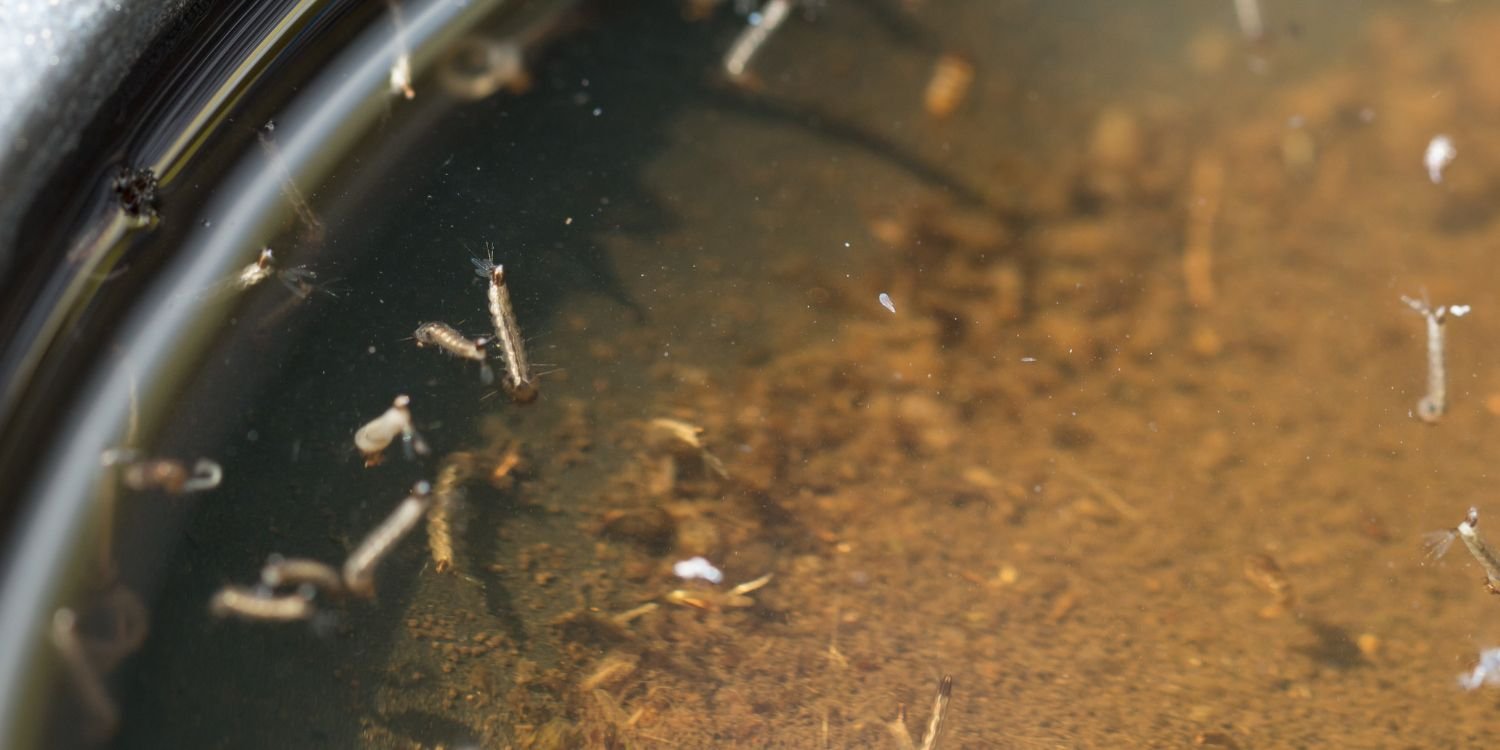
Warm weather, standing water and humid conditions can create the perfect breeding environment for mosquitoes, making it important for horse owners to understand the risks and take preventative measures.
In this article, we explore how mosquitoes affect horses, the diseases they may transmit, the signs to watch for and practical ways to protect your horse throughout mosquito season.
How do mosquitoes affect horses?
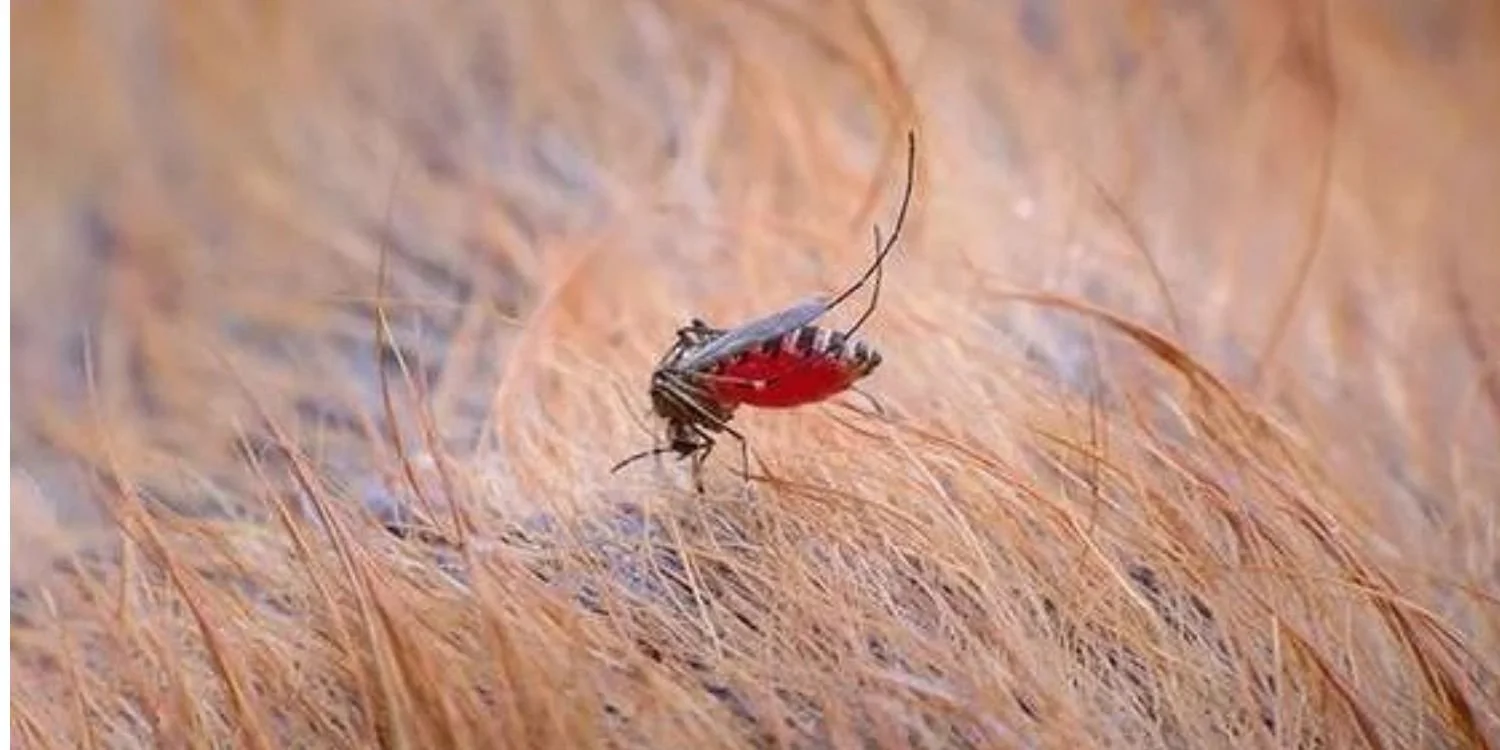
Mosquitoes feed on blood, and their bites can cause a range of problems, from mild irritation to more serious allergic reactions.
Skin irritation and itching
When a mosquito bites a horse, it injects saliva into the skin while feeding. This saliva can trigger an inflammatory response, resulting in itching, redness, swelling and irritation.
Horses may respond by:
Rubbing against fences, trees, stable walls and feed bins.
Scratching their manes, tails and necks.
Stamping their feet or swishing their tails repeatedly.
Becoming restless or unsettled, particularly during the evening.
Developing small, raised bumps or irritated patches of skin.
Repeated scratching can break the skin, leading to hair loss, scabs, open wounds and secondary bacterial infections.
Allergic reactions to mosquito bites
Some horses are particularly sensitive to insect bites. Their immune systems overreact to proteins in insect saliva, causing more severe itching and inflammation.
Affected horses may develop widespread skin irritation, hair loss, thickened skin and persistent sores. These symptoms can interfere with comfort, concentration and general wellbeing.
It is important to remember that mosquito bites are not the only cause of insect-related skin problems. Other biting insects, including midges, can also trigger significant allergic reactions.
Stress and reduced comfort
Constant mosquito activity can make it difficult for horses to relax, graze, rest or sleep comfortably.
Horses may spend more time moving, stamping and flicking their tails rather than feeding or resting. During heavy infestations, this irritation can contribute to stress and reduced quality of life.
For horses kept outdoors, particularly those without access to shelter, mosquito pressure can become a significant welfare concern.
Diseases that mosquitoes can transmit to horses
Although most mosquito bites cause local irritation rather than serious illness, some mosquito species can transmit viruses that affect horses.
The diseases of concern depend on where the horse lives and travels.
Ross River virus
Ross River virus is found in Australia and is transmitted by infected mosquitoes. Horses can be exposed to the virus, but horses are not considered a major source of human infection, and the clinical significance of infection in horses is not well established.
In humans, Ross River virus can cause fever, joint pain, muscle aches, fatigue and rash. These human symptoms should not be assumed to occur in horses.
Horse owners should be aware that mosquito activity can indicate broader mosquito-borne disease risks in their region, while seeking veterinary advice if their horse develops unexplained illness.
Murray Valley encephalitis
Murray Valley encephalitis virus occurs in parts of Australia and can cause serious neurological disease in humans. Horses may be exposed to the virus, but they are not recognised as a major source of transmission, and clinical disease in horses is not well established.
Mosquito control around horses remains worthwhile, particularly in regions where mosquito-borne viruses circulate.
Eastern equine encephalitis and Western equine encephalitis
These are serious mosquito-borne viral diseases that can cause inflammation of the brain and spinal cord in horses.
Possible signs include fever, depression, incoordination, muscle tremors, weakness, seizures and changes in behaviour. Severe cases can be fatal.
These diseases are primarily concerns in the Americas rather than routine mosquito-borne disease risks for horses in Australia. Vaccines are available for certain equine encephalitis viruses in some countries.
Can mosquitoes cause skin allergies in horses?
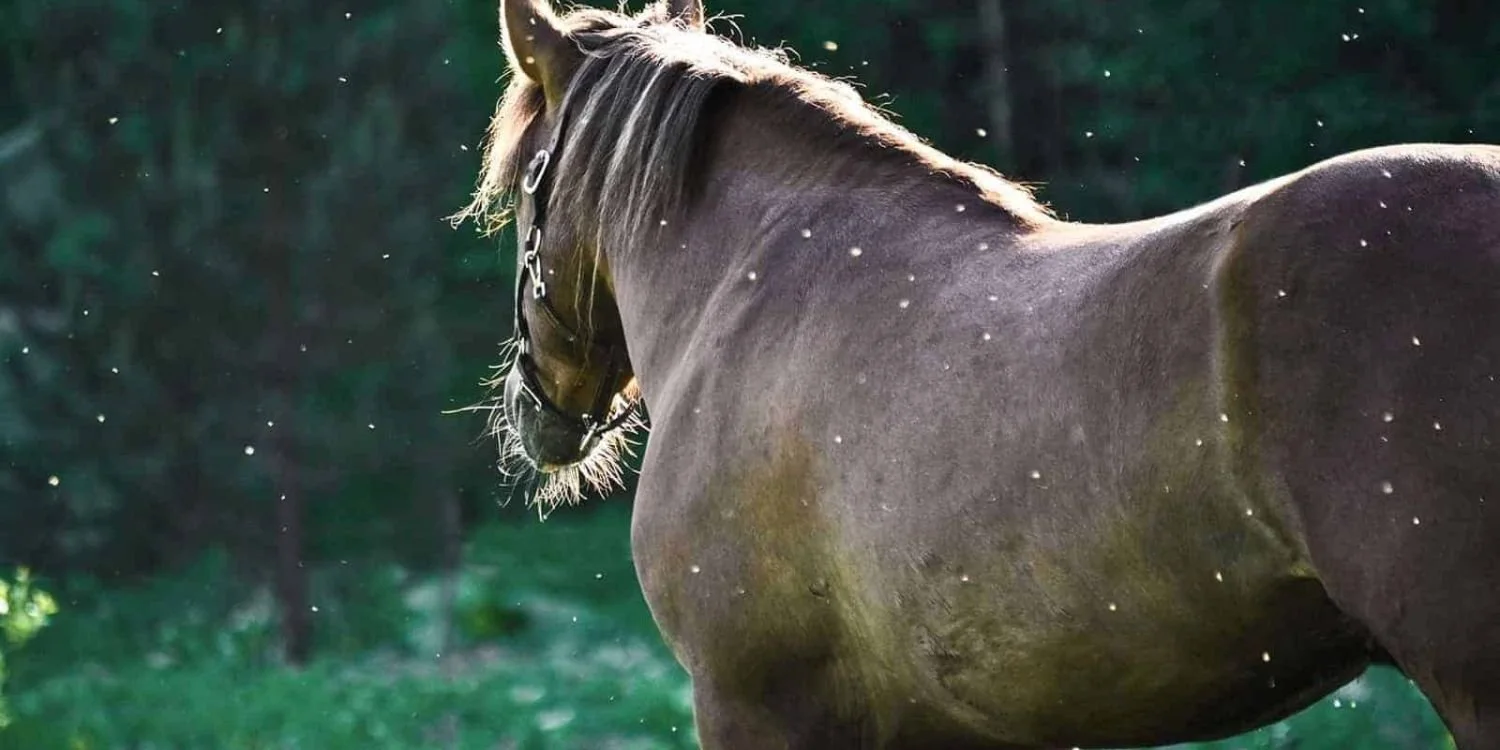
Yes. Insect-bite hypersensitivity is a recognised problem in horses, although biting midges are often more important triggers than mosquitoes.
Horses with insect-bite allergies may experience intense itching, especially around the mane, tail, neck, belly and other exposed areas.
Over time, repeated inflammation and scratching can lead to:
Broken or damaged skin.
Hair loss and bald patches.
Thickened or scaly skin.
Persistent wounds and scabs.
Secondary skin infections.
Irritability and difficulty settling.
If your horse repeatedly develops these symptoms during warmer months, a veterinarian can help determine whether insect allergies, parasites, infection or another skin condition is responsible.
Early management is important because once the skin becomes damaged, irritation and infection can become harder to control.
What Steps Can You Take?
Start with the paddock and stable: tip out standing water from troughs, buckets and blocked guttering, and consider stabling or rugging horses around dawn and dusk when mosquitoes are most active.
From there, add a repellent that suits your horse and the insects you’re dealing with. Surfcoast Rural can help with a full range of repellents.
Vetsense Flygon Gold spray controls and repels mosquitos with a combination of permethrin, pyrethrin and citronella oil, can also be applied to stables, floats and rugs, and may protect for up to two weeks under ideal conditions.
If midges and sandflies are the bigger culprit, Pharmachem’s SWAT Horse is a wipe-on permethrin formulation targeting buffalo fly, stable fly and sandflies, and can help in treating Queensland Itch.
Absorbine’s UltraShield range offers water-based sprays that target flies, mosquitoes and gnats, with options from the high-performance Gold to the essential-oil-based Green.
For owners who like a gentler, plant-based approach on sensitive skin, Nature’s Botanical Herbal Lotion is a non-aerosol spray that is nourishing and leaves no oily residue.
Whichever product you choose, read the label first, patch test on a small area and reapply after washing or heavy rain. If your horse is still rubbing, losing hair or developing sores, speak to your vet to rule out an allergy or infection.