
Choosing the right hay for your horse
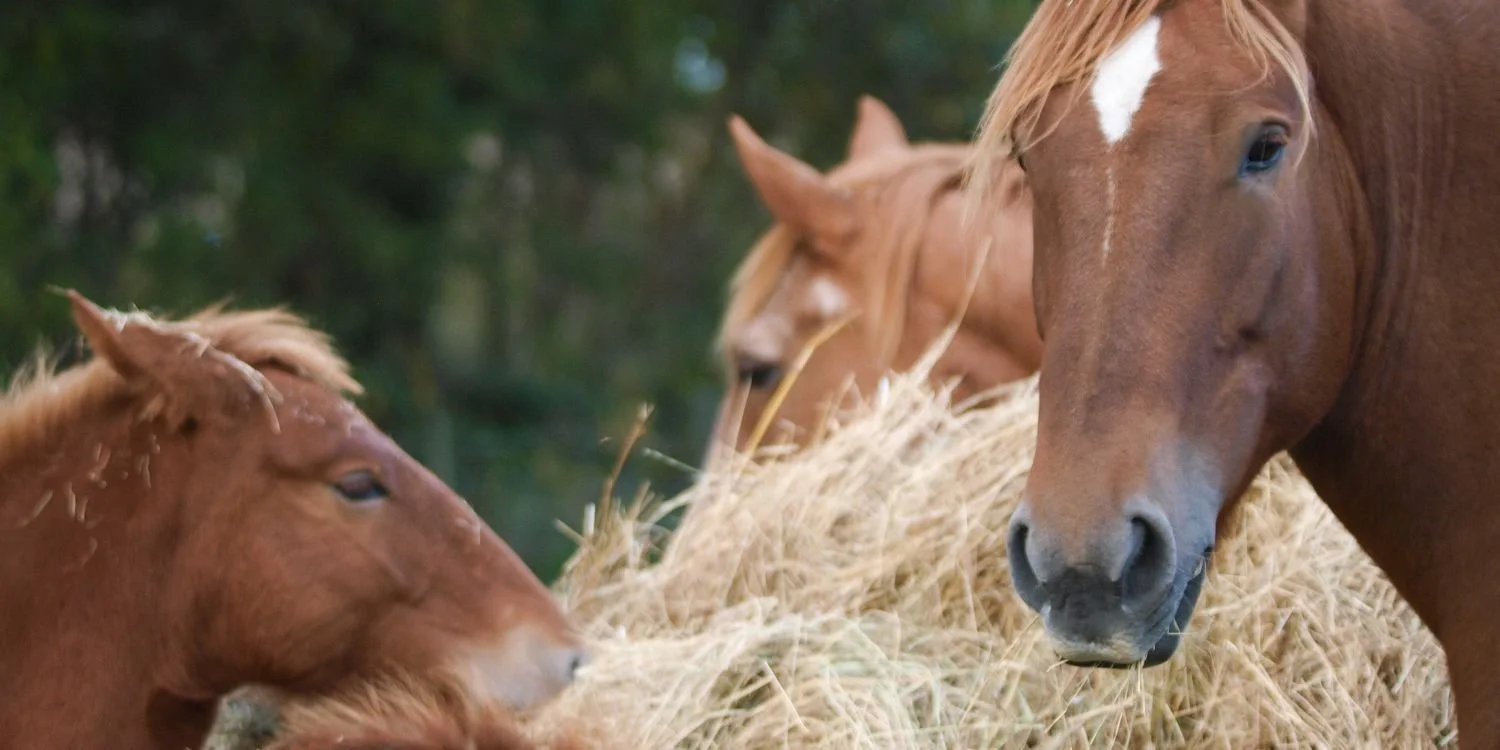
For centuries, hay has been the cornerstone of the equine diet. It is often described as the one feed horses cannot live without, and that's true. But there's an important distinction every horse owner should understand: feeding hay to keep a horse alive is very different from feeding hay to help a horse thrive.
The difference lies not just in the quantity of hay offered, but in its quality, nutritional value, digestibility, and suitability for the individual horse.
Hay for Survival
A horse can survive on relatively poor-quality hay if it receives enough fibre to keep its digestive system functioning. This type of hay is often mature, coarse, weathered, or low in nutritional value. While it fills the stomach and helps maintain gut motility, it may be deficient in protein, energy, vitamins, and essential minerals.
When horses are fed hay that merely meets their minimum fibre requirements, they may begin to show signs such as:
Weight loss or difficulty maintaining condition
A dull or rough coat
Reduced muscle development
Lower energy levels
Slower recovery after exercise
Weakened immune function
Poor hoof quality
Reduced fertility and reproductive performance
In many cases, these horses are technically healthy enough to survive, but they are not performing at their physical or mental best.
Hay for Thriving
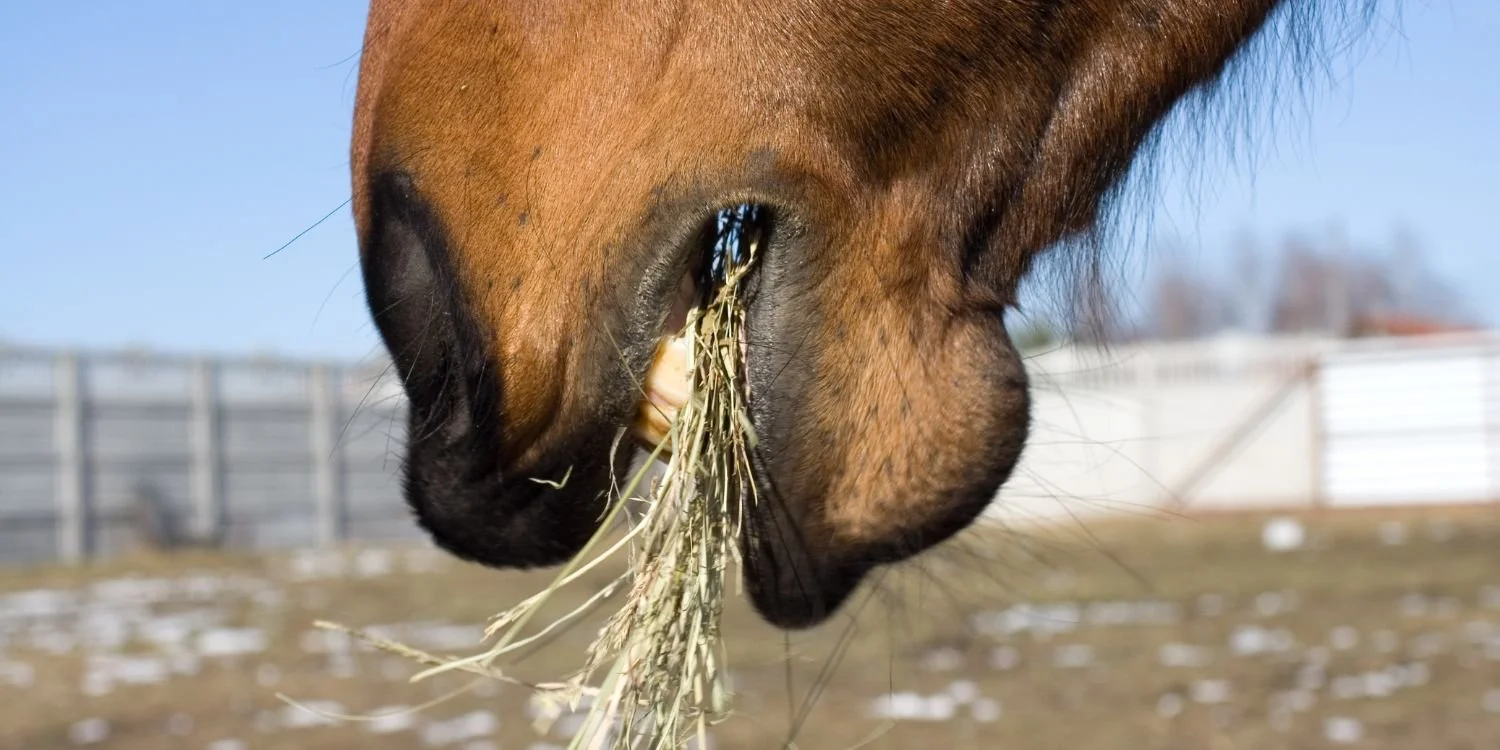
High-quality hay provides far more than bulk. It supplies digestible fibre, energy, protein, and many of the nutrients horses need to support every body system.
When hay is selected to match the horse's nutritional requirements, it becomes the foundation for:
Healthy digestive function
Strong immune responses
Muscle maintenance and development
Quality hoof growth
Healthy skin and coat
Consistent energy
Improved behaviour and wellbeing
Longevity and reduced risk of metabolic disorders
Rather than simply preventing starvation, quality forage actively supports health.
Not All Hay Is Created Equal
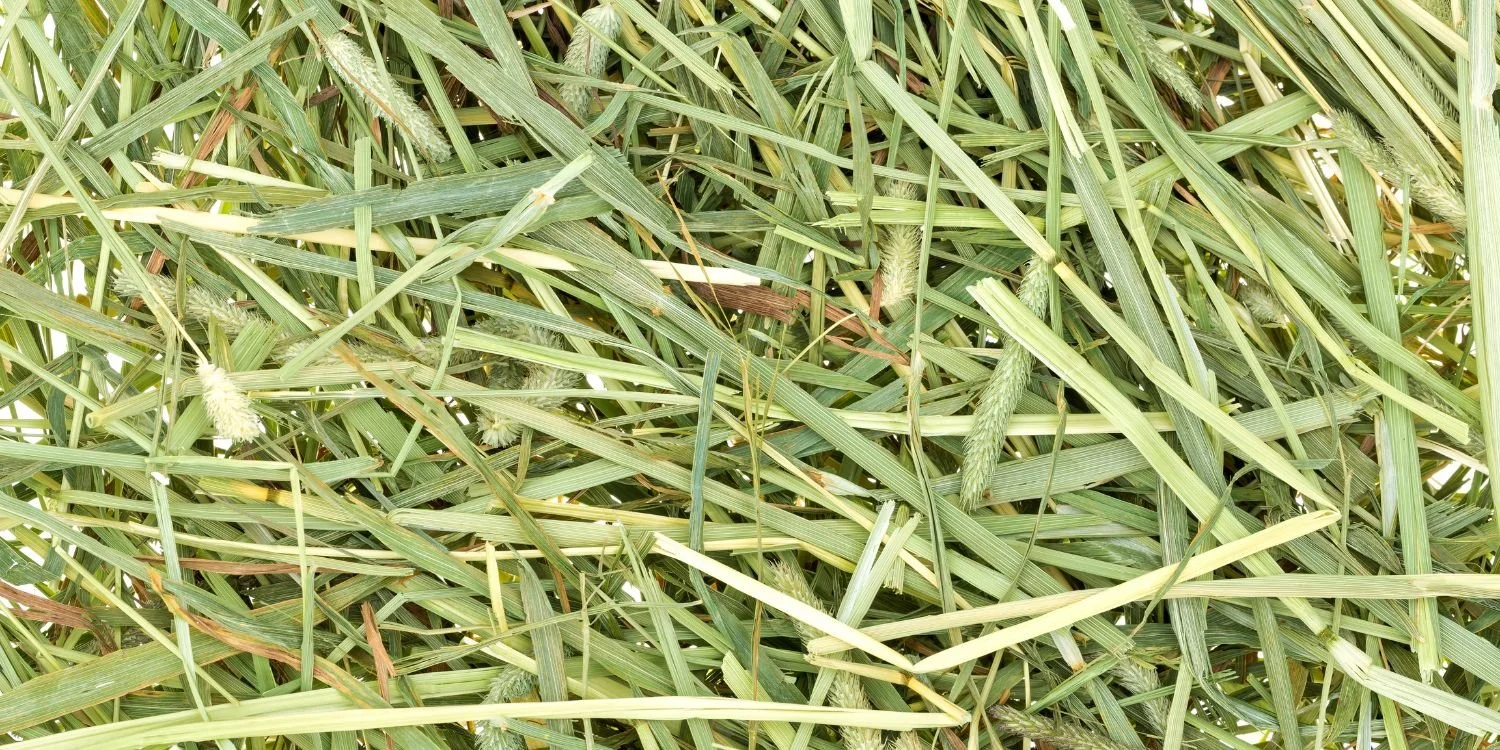
One bale may look green and smell sweet, while another appears coarse and stemmy. Unfortunately, appearance alone tells only part of the story.
Hay quality varies depending on:
Plant species
Stage of maturity when cut
Soil fertility
Weather during the growing season
Harvest timing
Storage conditions
Young leafy hay generally contains more digestible nutrients than hay harvested after plants have become mature and fibrous.
A laboratory forage analysis is the only reliable way to determine nutrient levels, including protein, digestible energy, water-soluble carbohydrates, fibre fractions, and mineral content.
Fibre Is Essential. But Digestibility Matters.
The horse's hindgut is home to billions of microbes that ferment fibre into volatile fatty acids, providing a significant source of energy. However, not all fibre is equally digestible.
Poor-quality hay contains more lignin, an indigestible component that limits the amount of nutrition horses can extract from the forage. Horses consuming highly lignified hay often need to eat more simply to meet their energy requirements, and even then may struggle to maintain weight.
Digestible fibre allows horses to obtain more usable energy while supporting a healthier hindgut environment.
Different Horses Have Different Needs
A single type of hay cannot meet the needs of every horse.
For example:
A growing foal requires significantly more protein, calcium, phosphorus, and energy than a retired pony.
A lactating mare has one of the highest nutrient demands of any horse.
Performance horses require additional energy and amino acids to support muscle repair and recovery.
Older horses with worn teeth may need softer forage or chopped forage alternatives to consume adequate fibre.
Meanwhile, horses prone to obesity, insulin dysregulation, or laminitis often benefit from hay with lower sugar and starch levels.
Matching the forage to the horse is one of the most effective ways to improve overall health.
Hay Quantity Is Just as Important
Even excellent-quality hay cannot support health if too little is provided.
Most horses should receive at least 1.5% - 2% of their body weight each day as forage on a dry matter basis, although individual requirements vary depending on workload, body condition, pasture access, and metabolic status.
Long periods without forage increase the risk of gastric ulcers, behavioural issues, and digestive disturbances because horses evolved to graze almost continuously.
Providing adequate forage supports both physical health and psychological wellbeing.
When Hay Alone Isn't Enough
Even premium hay is unlikely to provide every nutrient in the correct proportions.
Many Australian soils, for example, are naturally low in certain trace minerals such as copper and zinc, while selenium levels vary considerably by region. Stored hay also loses vitamins over time, particularly vitamin E and some B vitamins.
For many horses, a balanced vitamin and mineral supplement or ration balancer can help fill nutritional gaps without adding unnecessary calories.
The goal is not simply to feed more, it is to feed smarter.
Investing in Better Forage
Good hay often costs more than lower-quality alternatives, but it frequently reduces the need for expensive concentrates, improves feed efficiency, and supports better long-term health.
The hidden costs of poor-quality forage can include veterinary bills, hoof problems, reduced performance, weight management challenges, and lost productivity.
Viewed over the lifetime of a horse, investing in quality forage is often one of the most cost-effective management decisions an owner can make.
The Bottom Line
Hay is much more than something to fill a horse's stomach. It is the foundation of the equine diet.
Feeding enough hay to prevent hunger may keep a horse alive, but providing the right type, quality, and quantity of hay allows the horse to truly thrive.
Every mouthful of forage contributes to digestive health, muscle function, immune resilience, hoof quality, behaviour, and overall wellbeing. By understanding the difference between feeding for survival and feeding for optimal health, horse owners can make better nutritional decisions that benefit their horses every day.